

You’ve been tasked with building a recognition program. Maybe it’s your company’s first. Maybe the current one is a collection of Slack shout-outs, a spreadsheet of anniversary dates, and a gift card order your office manager places twice a year. Either way, leadership wants something real. Something that produces data, changes behavior, and doesn’t quietly die by quarter two.
According to Gallup, only one in three U.S. employees strongly agree that they received recognition or praise for doing good work in the past seven days. And two in three employees say they’d likely leave their job if they didn’t feel appreciated. The gap between how much recognition matters and how often it actually happens is where most programs either close the distance or become another initiative that quietly disappears.
The problem isn’t a lack of recognition ideas. Search this topic and you’ll find dozens of step-by-step guides telling you to “define objectives, design rewards, launch with excitement.” That advice isn’t wrong. It’s just incomplete. It skips the decision that determines whether your program actually survives: which approach matches your team’s size, your bandwidth, and what you need the program to produce?
Most recognition programs fail not because recognition doesn’t work, but because the approach doesn’t fit. An HR team of two running a self-serve platform designed for a team of twenty will burn out by month three. A 3,000-person company relying on a Slack channel will never generate the data leadership needs to justify the investment.
Here are four ways organizations build recognition programs, each with genuine strengths and a specific ceiling. Knowing where each approach breaks tells you which one to build on.
This is where most organizations start. Someone creates a #kudos channel. A manager builds a shared Google Sheet to log shout-outs. No budget required, no procurement cycle, no IT involvement.
Why it works at first. Recognition starts happening immediately. For small teams where everyone knows each other, a Slack channel is genuinely better than nothing. It’s fast, it’s free, and it creates a visible moment of appreciation in the flow of work.
Where it breaks. Recognition disappears in the channel scroll within hours. There’s no searchable history. When performance review season arrives, no one can find the recognition that happened in March. There’s no attribution to company values, so leadership can’t see which behaviors are being reinforced. And there’s no way to measure participation, frequency, or impact.
As one HR leader put it after years of Slack-based recognition: “You can recognize someone in Slack. You can’t pull that in your performance review. You can’t do that in Slack.”
The moment your team crosses roughly 50 people or adds a second location, the DIY approach stops scaling. Recognition becomes invisible to anyone not in the right channel at the right time. The employees who need recognition most (remote workers, frontline staff, different time zones) are the ones who miss it entirely.
Best for: Teams under 50, early-stage companies testing whether recognition resonates before investing. If you’re at this stage and looking for ideas to get started, here are signs your current recognition approach may already be outdated.
The logical next step. Your organization already runs on Workday or Dayforce. There’s a recognition module built in. No new vendor, no new login, no new procurement cycle. Just a feature toggle.
Why it works in theory. Employee data is already there, so no separate user provisioning. Anniversary dates live in the HRIS, so basic milestone tracking is automatic. HR admins already know the interface. And for organizations that just need “something exists,” the HRIS module checks the box.
Where it breaks. Recognition inside an HRIS is a checkbox module, not a purpose-built experience. There’s no social feed where peers see each other’s recognition. There’s no peer-to-peer mechanic. Recognition flows top-down through managers, which means it happens quarterly at best, not daily. The interface is desktop-first, which means frontline employees (caregivers, warehouse workers, field teams) are structurally excluded.
One HR manager evaluating her existing setup captured the confusion perfectly: “I don’t know if that’s an OC Tanner problem or if it’s a Workday problem.” When your recognition tool is buried inside a platform built for payroll and benefits, it’s hard to tell where the limitation lives.
The deeper issue: HRIS modules generate activity counts, not culture intelligence. They can tell you how many people were recognized. They can’t tell you which values are being reinforced, which teams are being overlooked, or how recognition activity correlates with retention. Understanding why recognition connects to business outcomes requires deeper analytics than most HRIS modules offer.
Best for: Organizations that need basic milestone tracking and don’t require peer-to-peer culture building or frontline mobile access.
Now we’re in purpose-built territory. These platforms are designed specifically for recognition. They’re fast to deploy (often live within a week), have clean UX, integrate with Slack and Teams, and offer transparent pricing. For mid-market companies, they’re a real upgrade from DIY or HRIS modules.
Why they work. Peer-to-peer recognition is built in from day one. Employees can give and receive recognition without waiting for manager approval. The Slack and Teams integrations mean recognition happens in the flow of work. Setup is measured in days, not months. And pricing is published, so there are no procurement surprises.
Where they break. Self-serve means self-managed. Your HR team owns everything: program design, launch communications, change management, adoption tracking, and the quarterly business review that proves it’s working. When participation dips at month three (and it will), there’s no partner to help you course-correct.
The analytics are participation-level, not business-level. You’ll know how many recognitions were given. You won’t know how recognition activity correlates with engagement scores or attrition trends. You won’t walk into a board meeting with a slide connecting your recognition investment to retention outcomes.
And for organizations with frontline or deskless workers, most self-serve platforms are desktop-first with mobile as an afterthought. The employees who arguably need recognition most (shift workers, caregivers, field teams) get a second-class experience.
The biggest risk: programs built on self-serve platforms plateau. Not because the software is bad, but because no one outside the HR team is accountable for sustained outcomes. The platform works. The program stalls.
Best for: Mid-market companies with a strong internal HR team who can self-manage the program long-term and don’t need frontline mobile coverage or board-level analytics.
This is the approach that clears the ceilings the other three hit. Not because the software is dramatically different. Peer-to-peer recognition, values tagging, and rewards catalogs exist in lighter platforms too. The difference is what surrounds the software: a dedicated team that co-owns the program with you.
What changes:
Recognition becomes persistent and measurable. Instead of disappearing in a Slack scroll, every recognition moment lives in a searchable, values-tagged social feed. Employees across time zones and locations see recognition as it happens.
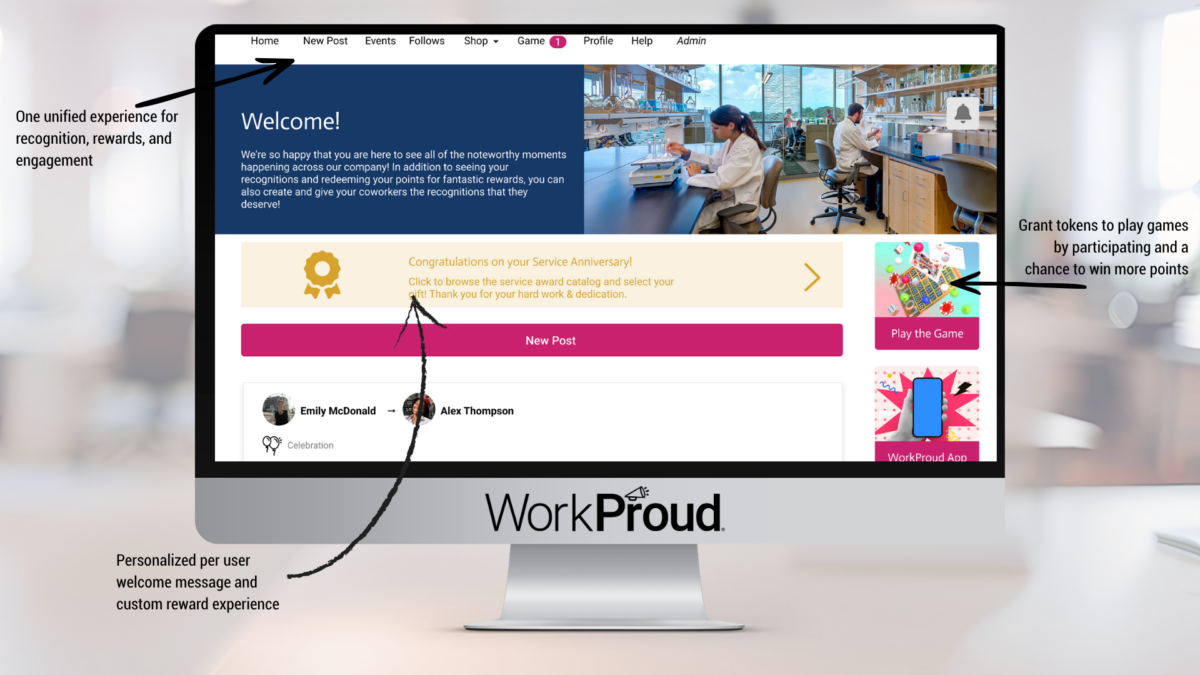
When performance review season arrives, an employee can pull every recognition they received that year — tied to specific values and specific peers. That’s data a Slack emoji can’t produce.
Frontline and deskless employees are included from day one. A native mobile app (not a mobile-responsive website, but a purpose-built app) means caregivers, drivers, and shift workers participate from their phones during breaks. For healthcare organizations specifically, this changes the equation on frontline turnover. No desktop required. No company email required. WorkProud’s mobile app carries a 4.9 rating in both app stores, the highest in the recognition category, because it was designed for the phone first.
Milestones feel earned, not automatic. Instead of a generic point deposit or a yearbook for a 20-year anniversary, employees log into a personalized milestone experience built for their tenure level. They choose from a branded catalog (gift cards, experiences, merchandise, charity donations) that reflects what actually matters to them. This is what shifts recognition from transactional to meaningful. The difference between cash and non-cash rewards matters more here than most program builders realize.
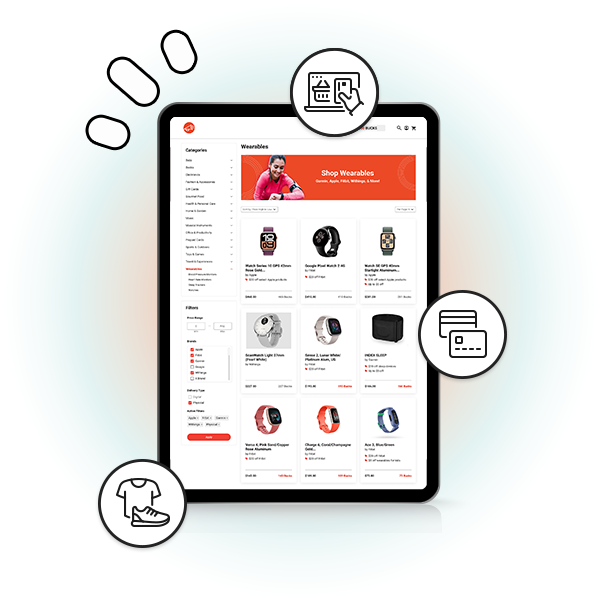
As one HR leader described the goal: “I want people to be like, I’m so excited for my 15-year because I get this super cool thing.”
Values become measurable. Every recognition is tagged to a company value. Over time, trend data reveals which values are being lived and which are aspirational.

One organization saw a 102% increase in their core collaboration value score after tying recognition to it because when you recognize a behavior, you reinforce it.
Analytics connect to business outcomes. The dashboard doesn’t just show participation rates. It shows which teams are under-recognized before attrition happens.
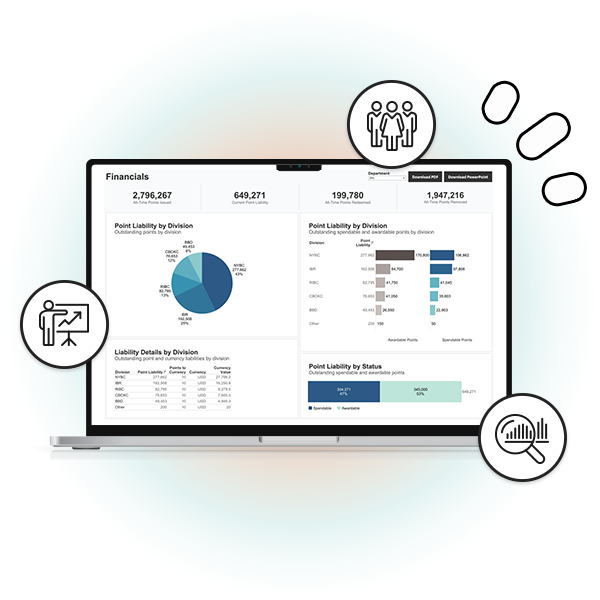
It correlates recognition activity with engagement trends. It gives leadership the slide they’ve been asking for — the one that connects culture investment to retention outcomes. Before implementing this approach, one VP of People & Culture described her previous state: “I had no data. I just had vibes and email sends.”
The program doesn’t depend on your bandwidth alone. This is the ceiling that self-serve platforms can’t clear. WorkProud embeds a dedicated team of HR and Certified Recognition Professionals who co-own the program alongside your team. They build the business case, design the launch, manage communications, drive adoption, and run quarterly business reviews. One client with a two-person HR team described it: “It’s two of us and all of WorkProud. That is such a huge boon. You have these cool thought partners instead of just shooting shots in the dark.”
The result at that organization: 87% participation rate, recognition scores that increased 50% during a major merger (with no retention bonuses in place), and a budget that decreased year over year while engagement scores climbed. The HR lead spends 10-15% of her time on recognition. The program runs itself.
The right approach depends on your situation, not a feature checklist. Here’s how to decide:
Does your team have bandwidth to self-manage the program long-term? If your HR team is lean and already stretched, a self-serve platform will add to the load. A managed service model means someone is accountable for adoption and outcomes alongside you — not just the software license.
Do you have frontline or deskless workers? If more than 30% of your workforce doesn’t sit at a desk, mobile-first is non-negotiable. Not mobile-responsive. Mobile-first. Test the app before you buy the platform.
Do you need to report recognition ROI to leadership? If your CFO or board will ask “what did we get for this investment,” you need analytics that connect recognition activity to engagement and retention trends — not just participation counts.
Are your values aspirational or measurable? If leadership talks about values but can’t point to data showing whether they’re being practiced, values-based recognition is the mechanism that closes the gap.
Is this your first program or a replacement? If you’re replacing a platform that failed on adoption, the problem likely wasn’t the software. It was the program management. Ask your next vendor: “What do you do after launch day?”
Building a recognition program that lasts isn’t about finding the perfect step-by-step guide. It’s about choosing the approach that matches your team, your workforce, and what you need the program to actually produce. The steps are the same: design, launch, measure, improve. The difference is whether you’re doing it alone or with a partner who’s accountable for the outcome alongside you.
If you’re evaluating what a structured program looks like in practice, here are five things companies should be doing now with their recognition strategy.
Most recognition programs stall at the same points: adoption drops after launch, managers forget to use it, frontline teams never get access, and no one can connect the data to retention outcomes. If you’re hitting those ceilings or trying to avoid them WorkProud’s team can walk you through how organizations with similar complexity have built programs that actually sustain. Talk to an expert.
WorkProud is committed to helping its clients create a unified approach to the employee experience by helping them build cultures of workplace pride. Trusted by millions of users at some of the world’s most recognized employer brands, WorkProud delivers a comprehensive approach to building company cultures that inspire people to be Proud of their Work and Proud of their Company.
An icon of style from Hollywood to hip-hop, the Wayfarer never stands still. Forever embraced by the next generation of culture makers, now its journey continues with AI-enhanced wearable tech. Ray-Ban Meta Wayfarer enables you to live in the moment and share how you see the world. Listen, call, capture and livestream features are seamlessly integrated within the classic frame. Eye size: 50; Frame: Matte Black; Lens: Clear/Graphite Green Transitions; Lens Material: Standard Plastic
Color: Matte Black/Clear-Graphite Green Transitions
A
Afghanistan
Albania
Algeria
Andorra
Angola
Antigua & Deps
Argentina
Armenia
Australia
Austria
Azerbaijan
B
Bahamas
Bahrain
Bangladesh
Barbados
Belarus
Belgium
Belize
Benin
Bhutan
Bolivia
Bosnia Herzegovina
Botswana
Brazil
Brunei
Bulgaria
Burkina
Burundi
C
Cambodia
Cameroon
Canada
Cape Verde
Central African Rep
Chad
Chile
China
Colombia
Comoros
Congo
Congo {Democratic Rep}
Costa Rica
Croatia
Cuba
Cyprus
Czech Republic
Denmark
D
Djibouti
Dominica
Dominican Republic
E
East Timor
Ecuador
Egypt
El Salvador
Equatorial Guinea
Eritrea
Estonia
Ethiopia
F
Fiji
Finland
France
G
Gabon
Gambia
Georgia
Germany
Ghana
Greece
Grenada
Guatemala
Guinea
Guinea-Bissau
Guyana
H
Haiti
Honduras
Hungary
I
Iceland
India
Indonesia
Iran
Iraq
Ireland {Republic}
Israel
Italy
Ivory Coast
J
Jamaica
Japan
Jordan
K
Kazakhstan
Kenya
Kiribati
Korea North
Korea South
Kosovo
Kuwait
Kyrgyzstan
L
Laos
Latvia
Lebanon
Lesotho
Liberia
Libya
Liechtenstein
Lithuania
Luxembourg
M
Macedonia
Madagascar
Malawi
Malaysia
Maldives
Mali
Malta
Marshall Islands
Mauritania
Mauritius
Mexico
Micronesia
Moldova
Monaco
Mongolia
Montenegro
Morocco
Mozambique
Myanmar
M
Namibia
Nauru
Nepal
Netherlands
New Zealand
Nicaragua
Niger
Nigeria
Norway
O
Oman
P
Pakistan
Palau
Panama
Papua New Guinea
Paraguay
Peru
Philippines
Poland
Portugal
Q
Qatar
R
Romania
Russian Federation
Rwanda
S
St Kitts & Nevis
St Lucia
Saint Vincent & the Grenadines
Samoa
San Marino
Sao Tome & Principe
Saudi Arabia
Senegal
Serbia
Seychelles
Sierra Leone
Singapore
Slovakia
Slovenia
Solomon Islands
Somalia
South Africa
South Sudan
Spain
Sri Lanka
Sudan
Suriname
Swaziland
Sweden
Switzerland
Syria
T
Taiwan
Tajikistan
Tanzania
Thailand
Togo
Tonga
Trinidad & Tobago
Tunisia
Turkey
Turkmenistan
Tuvalu
U
Uganda
Ukraine
United Arab Emirates
United Kingdom
Uruguay
Uzbekistan
V
Vanuatu
Vatican City
Venezuela
Vietnam
Y
Yemen
Z
Zambia
Zimbabwe
Here you will find insights curated for leadership seeking in-depth industry knowledge. Explore comprehensive studies, helpful guides, and expert white papers.
*By selecting “VIEW RESOURCES,” you agree to WorkProud’s Privacy Policy. You may unsubscribe from our emails at any time. Please note when unsubscribing: it may take up to 10 business days for your request to take effect.