Employee recognition program ideas that actually stick
4 employee recognition program ideas
Implement Peer-to-Peer Recognition: Move recognition out of manager-only silos and into the hands of the entire team. To make this work, create a public, permanent feed where employees can recognize one another in real-time, specifically tied to company values.
Automate Milestone Recognition: Never miss a work anniversary or role change by automating these triggers through your HRIS data. Use these automated events as an opportunity for peers to share stories of collaboration, rather than relying on standard, impersonal notifications.
Integrate Values-Based Tagging: Stop using generic praise that fades. Require every recognition to be tagged with a specific company value. This turns praise into actionable data, allowing you to track which values are being lived daily versus which ones only exist on paper.
Establish a Tiered Rewards Catalog: Replace blanket gifts with a system of choice. Implement a branded reward catalog where employees can redeem points for rewards that match their preferences, with reward tiers that scale based on the significance of the achievement (e.g., higher value for a ten-year milestone than a spot bonus).
Search for recognition program ideas and you’ll drown in listicles: peer shout-outs, employee of the month, a Slack channel with a confetti emoji, a pizza party. Plenty of ideas. Most of them fade inside a quarter, because an idea isn’t a program. A tactic runs on enthusiasm. A program runs on a system that keeps the tactic alive after the launch buzz wears off.
For a program owner, the question that matters is which ideas actually hold up, and what it takes to run them. The ideas below are the ones that move participation and retention, grouped by the outcome they drive. Where an idea needs more than good intentions to run at scale, I’ve described exactly what makes it work, because that’s usually the part the listicles skip.
Put recognition in everyone’s hands
The fastest way to stall a recognition program is to route it through managers. Manager-only recognition is slow, infrequent, and blind to most of the work, because one manager can’t see everything a team does. The idea that fixes it: let anyone recognize anyone.
Peer recognition works because the work happens in front of peers, and peers can catch it in the moment in a way the org chart never could. When a teammate calls out a colleague right after the save, recognition turns into a daily habit rather than a quarterly event.
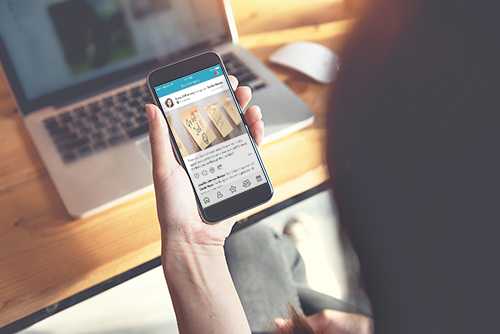
Running it at scale is where the capability matters. In WorkProud, any employee can recognize any other, tie the recognition to a specific company value, and post it to a feed the whole company sees. Three things make that design hold up: the recognition is public, so it models the behavior for everyone watching; it’s permanent, so it doesn’t vanish in a chat scroll; and it carries a value tag, so it reinforces a specific behavior rather than a vague “nice job.” AtWalkMe, that design produced 977 unique givers recognizing 1,248 recipients, and 96% of the global workforce registered on the platform within 18 months, the kind of participation a manager-driven program rarely reaches.
Anyone recognizes anyone, tied to a value, on a feed the whole company sees.
Never let a milestone pass unmarked
A missed work anniversary does more damage than a small one delivered on time. Tracking every tenure milestone by hand guarantees misses. The idea: automate the milestone so it always fires, then make the moment meaningful.
WorkProud triggers anniversaries and role changes automatically off your HRIS data, so no one’s ten years slips because a manager was busy. The system handles the trigger, and the milestone itself opens to peer recognition tied to a value, so it arrives as a story from the people who worked alongside someone rather than a form email.
Attach every recognition to a value
Generic praise fades. Recognition tied to a specific company value does two jobs at once: it tells the employee exactly what they did well, and it shows the whole company what that value looks like in practice.
In WorkProud, every recognition carries a value tag, which turns recognition into data. The reporting shows which values are actually being lived across the organization and which ones only exist on a wall. That gives a program owner something most programs can’t produce: a read on whether the culture the company talks about is the culture people are actually reinforcing day to day. At WalkMe, favourability for the value the company tracks as “Work as One WalkMe” rose 102% after values-tagged recognition became the norm.
Give people rewards they actually choose
A reward someone chooses lands differently than a blanket gift, because choice signals the company knew them. The idea: let people redeem points for something they actually want, and scale the reward to the moment.
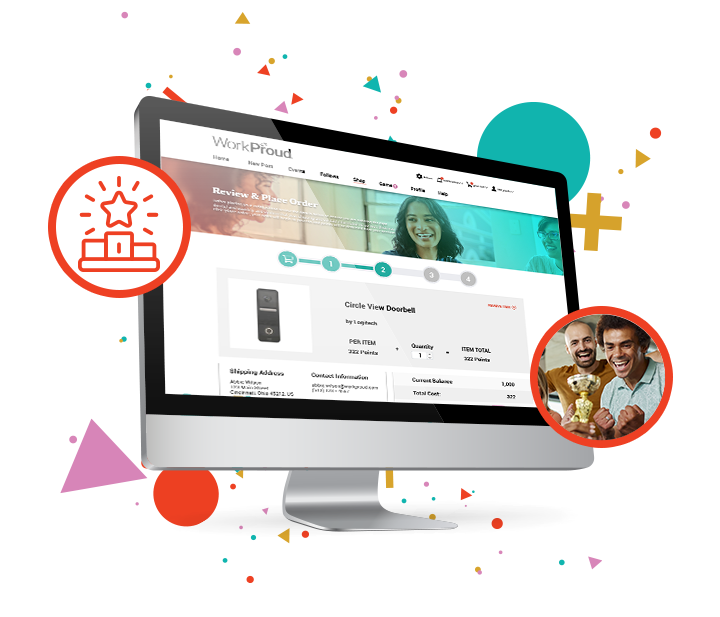
WorkProud’s branded reward catalog lets employees redeem points across major brands, with tiers that scale to the milestone, so a ten-year reward carries more weight than a spot bonus. The tiering matters for a program owner because it lets you put real budget behind the moments that most affect whether experienced people stay, without spending the same on every thank-you.
Caption: Anyone recognizes anyone, tied to a value, on a feed the whole company sees.
Track which ideas are working
Most programs can’t answer a simple question: which of these ideas is actually moving anything? Without that answer, you’re guessing, and you can’t defend the budget when it gets questioned.
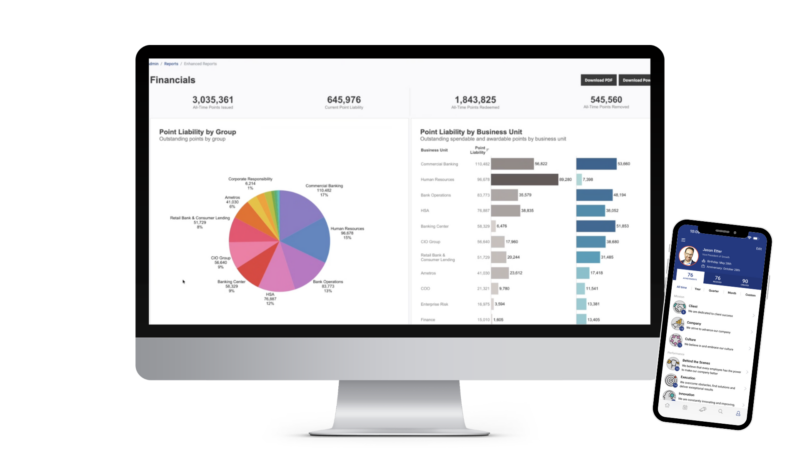
WorkProud’s analytics show participation by team, region, and tenure, and connect recognition activity to engagement and retention trends. That lets a program owner see which groups are under-recognized before they start leaving, and which ideas are earning their place.Gallup’s longitudinal research makes the stakes concrete: well-recognized employees were 45% less likely to have turned over two years later. Measuring earns its keep by telling you which ideas to double down on and which to cut.
See which ideas are working, and which groups are going unrecognized, before it costs you someone.
Start with the ideas that have a system underneath them
A recognition program sticks when each idea has a system that keeps it alive after launch week. That’s what separates the programs that last from the idea lists that don’t. Peer recognition needs a feed. Milestones need automation. Values need a tag and a report. Rewards need a catalog. And all of it needs measurement, so you know what to keep.
If you want to see what these ideas look like running in one place,take a look at how WorkProud works. Bring the program you have now, and we’ll walk through which ideas would move your numbers first.
Ray-Ban Meta Wayfarer Smart Glasses Matte Black/Clear-Graphite Green Transitions
Product Details
An icon of style from Hollywood to hip-hop, the Wayfarer never stands still. Forever embraced by the next generation of culture makers, now its journey continues with AI-enhanced wearable tech. Ray-Ban Meta Wayfarer enables you to live in the moment and share how you see the world. Listen, call, capture and livestream features are seamlessly integrated within the classic frame. Eye size: 50; Frame: Matte Black; Lens: Clear/Graphite Green Transitions; Lens Material: Standard Plastic
Specifications
Color: Matte Black/Clear-Graphite Green Transitions
Here you will find insights curated for leadership seeking in-depth industry knowledge. Explore comprehensive studies, helpful guides, and expert white papers.
*By selecting “VIEW RESOURCES,” you agree to WorkProud’s Privacy Policy. You may unsubscribe from our emails at any time. Please note when unsubscribing: it may take up to 10 business days for your request to take effect.